


How Prepackaged Medications for Primary Care Clinics Improve Efficiency
- Christopher Johnson
- Sep 10, 2025
- 6 min read
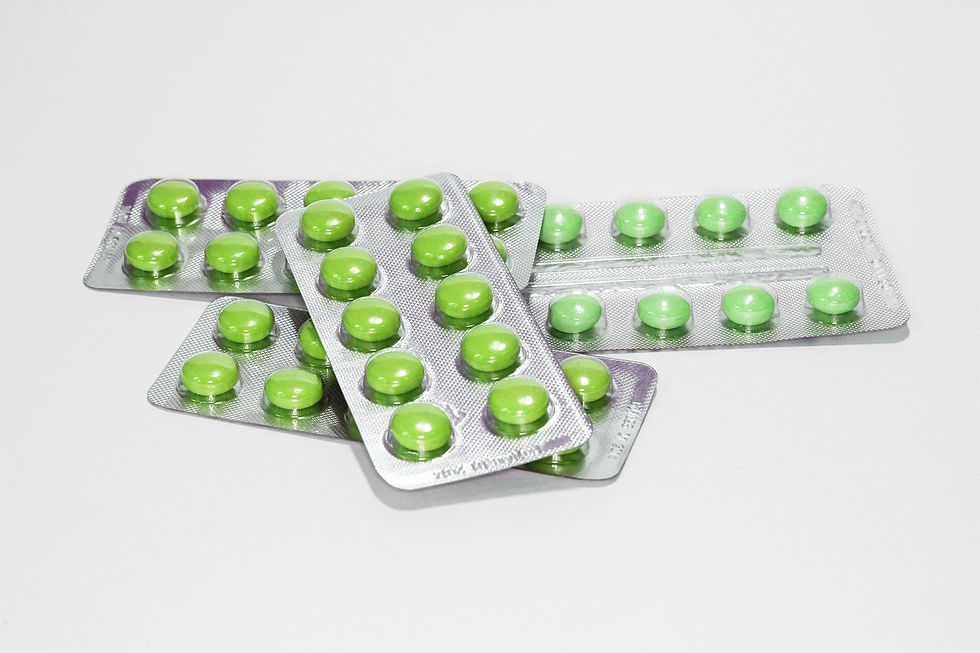
Primary care clinics are constantly looking for ways to deliver faster and safer treatment without adding extra strain on staff. Prepackaged medications provide a practical solution by offering ready-to-dispense doses that streamline both patient care and clinic operations.
Instead of relying on manual counting or lengthy pharmacy waits, clinics that use prepackaged medications can give patients what they need during the visit itself. This shift not only saves time but also supports accurate dosing, stronger compliance, and more reliable inventory control, making it a vital tool for modern healthcare delivery.
In this article, we’ll look at the main benefits of prepackaged medications, the most common types used in primary care, how clinics can implement them effectively, and the compliance and cost considerations that come with this model. Providers such as A-S Medication Solutions make these systems accessible, helping clinics integrate point-of-care dispensing with ease.
Advantages of Prepackaged Medications in Primary Care Clinics
Prepackaged medications offer multiple advantages that improve clinic operations and patient care. Clinics adopting onsite dispensing benefit from streamlined workflows and improved safety standards.
Improved Efficiency and Workflow

Prepackaged medications simplify medication management by eliminating manual counting and labeling. Clinics benefit from faster point of care dispensing, enabling clinicians to provide medications during patient visits without delay.
Physician dispensing integrates easily with electronic health records (EHRs), facilitating accurate documentation and inventory tracking. This enhanced workflow reduces staff workload, allowing more focus on direct patient care.
Automated reordering and consistent packaging formats prevent stock discrepancies and minimize time spent on inventory management. Clinics leveraging these efficiencies optimize resource allocation and reduce patient wait times.
Enhanced Medication Safety and Accuracy
FDA-registered packaging ensures prepackaged medications meet stringent quality and safety standards. Controls established during manufacturing minimize contamination risks and dosing errors. Unit-dose and blister packaging deliver exact dosage, clearly labeled with drug name, strength, lot number, and expiration, preventing medication errors.
Point-of-care dispensing decreases handling steps, reducing chances of cross-contamination or miscounts. Physician dispensing benefits from standardized packaging that supports adherence to regulatory guidelines and improves patient safety outcomes. Clinics achieve higher accuracy in medication delivery, lowering adverse drug event risks while maintaining compliance with pharmacy standards.
For more details on point of care dispensing, visit Point of Care Dispensing.
Types of Prepackaged Medications Commonly Used
Prepackaged medications cover various drug categories tailored for efficient physician dispensing and onsite dispensing in primary care clinics. These medications support point of care dispensing by being ready-to-administer with accurate dosages and clear labeling.
Antibiotics and Pain Relievers
Antibiotics in unit-dose or blister pack formats serve common infections with standardized dosing, minimizing errors during onsite dispensing. Examples include amoxicillin, azithromycin, and ciprofloxacin prepared for rapid administration. Pain relievers such as acetaminophen, ibuprofen, and low-dose opioids come prepackaged to ensure precise dosing at the point of care.
These medications simplify immediate treatment, reduce wait times, and support compliance by providing clearly labeled, contamination-free doses. Clinics benefit from streamlined workflows by integrating these prepackaged forms into their dispensing protocols.
Chronic Disease Management Drugs

Prepackaged medications for chronic conditions, like antihypertensives, diabetes medications, and lipid-lowering agents, among others, facilitate consistent dosing and adherence. Common drugs include lisinopril, metformin, and atorvastatin packaged in daily or weekly blister packs that aid patient compliance.
Onsite dispensing of these drugs enables clinicians to adjust therapies quickly during visits and reduces prescription fill delays. This patient-centered approach supports timely interventions and optimizes treatment outcomes, especially for those requiring ongoing medication management.
Physician dispensing of these prepackaged drugs also supports inventory control and reduces medication errors, making chronic disease management more efficient at the point of care. This streamlined process not only enhances patient safety but also improves the overall efficiency of healthcare delivery.
Implementing Prepackaged Medications in Primary Care Settings
Implementing prepackaged medications in primary care settings streamlines medication management and optimizes physician dispensing workflows. Clinics gain efficiency while ensuring safer, faster onsite dispensing during patient visits.
Storage and Inventory Management
Clinics organize prepackaged medications in secure, temperature-controlled storage areas to maintain drug integrity and comply with FDA standards. Automated inventory systems track stock levels, expiration dates, and lot numbers, allowing timely reordering and minimizing waste. Integrating inventory management with electronic health records improves accuracy and reduces manual reconciliation. Storage space allocation prioritizes frequently used medications for point of care dispensing, enhancing accessibility and reducing wait times.
Staff Training and Protocols
Staff undergo specific training on handling, storing, and dispensing prepackaged medications to maintain compliance and safety. Protocols standardize physician dispensing processes, including barcode scanning and verification against EHR prescriptions. Training emphasizes recognizing packaging integrity, managing recalls, and documenting onsite dispensing accurately. Clinics establish clear responsibilities to ensure efficient communication and adherence to regulatory requirements across all team members involved in medication distribution.
Regulatory and Compliance Considerations

Prepackaged medications in primary care clinics must meet strict regulatory and compliance standards to ensure patient safety and maintain legal operation. These requirements guide labeling, quality control, and documentation throughout onsite dispensing and physician dispensing processes.
Labeling Requirements
Labels on prepackaged medications require clear, standardized information, including drug name, strength, lot number, expiration date, and manufacturer details. Labels must comply with FDA regulations to ensure accurate identification and traceability during point of care dispensing. Additionally, clinics performing onsite dispensing must verify that labeling adheres to state pharmacy board mandates, preventing medication errors and facilitating proper documentation within electronic health records (EHRs). Proper labeling also supports recall management and inventory control by linking each package to its production batch.
Quality Control and Standards
Quality control standards for prepackaged medications include compliance with Current Good Manufacturing Practices (cGMP) and FDA registration of packaging facilities. These standards ensure medications maintain potency, sterility, and safety from production through onsite dispensing. Clinics using physician dispensing must verify sources maintain rigorous quality assurance protocols and participate in periodic inspections.
Automated inventory systems assist in tracking lot numbers, expiration dates, and storage conditions, supporting adherence to federal and state regulations. Consistent quality controls reduce risks of contamination and support overall medication safety across clinical workflows.
Cost Implications and Economic Impact
Prepackaged medications influence primary care clinic budgets by impacting waste reduction and budget planning. These factors are critical to evaluating the financial viability of onsite dispensing and physician dispensing models.
Reducing Waste and Expired Medications
Prepackaged medications reduce waste by providing exact doses in unit-dose or blister pack formats, which limits leftover and expired stock. Clinics benefit from lower expired medication rates because pre-measured quantities align with patient volume and prescription frequency. Automated inventory systems track expiration dates and lot numbers, enabling timely reorder and recall management. Efficient point of care dispensing minimizes overstocking and ensures medications are used within their shelf life, improving resource utilization and reducing financial losses caused by obsolete inventory.
Budget Planning for Clinics
Budget planning incorporates the higher per-unit cost of prepackaged medications while accounting for savings from decreased waste and streamlined workflows. Clinics optimize onsite dispensing operations by balancing ordering volume against patient demand. Physician dispensing models gain cost efficiency by reducing staff time on manual preparation and documentation. Integration with electronic health records further supports precise inventory control, reducing emergency purchases and stockouts. Ultimately, prepackaged medication programs offer predictable expenditure patterns that assist clinics in allocating funds toward patient care and operational improvements.
For further details on point of care dispensing solutions, visit Point of Care Dispensing.

Conclusion
Prepackaged medications provide primary care clinics with a reliable way to improve efficiency, reduce errors, and enhance patient care. By streamlining the dispensing process, clinics can operate more smoothly, reduce wait times, and ensure patients receive accurate doses every time.
The use of prepackaged medications also supports better compliance with regulatory standards, lowers waste, and creates more predictable budget planning for providers. These benefits make them a vital resource for clinics working to balance quality care with operational efficiency.
Healthcare providers looking to adopt this model can partner with trusted suppliers such as A-S Medication Solutions, who specialize in secure, FDA-compliant systems designed for point-of-care dispensing. With the right support, clinics can integrate prepackaged medications seamlessly into their workflow and deliver safer, faster, and more reliable care.
Frequently Asked Questions
What are prepackaged medications in primary care clinics?
Prepackaged medications are drugs prepared in exact doses, usually in unit-dose or blister packs, ready for immediate dispensing. They simplify medication management, improve safety, and enhance efficiency in primary care settings.
How do prepackaged medications improve clinic efficiency?
They eliminate manual counting and labeling, allowing faster dispensing during patient visits. Integration with EHRs streamlines documentation, inventory tracking, and reduces staff workload and patient wait times.
What safety benefits do prepackaged medications offer?
Prepackaged meds meet FDA standards with tamper-evident packaging, ensuring accurate dosing and clear labeling, which minimize medication errors and contamination risks.
Which types of medications are commonly prepackaged for clinics?
Commonly prepackaged drugs include antibiotics like amoxicillin, pain relievers like acetaminophen, antihypertensives, and diabetes medications, which are all designed for quick, accurate dispensing.
How are prepackaged medications stored and managed in clinics?
Clinics use secure, temperature-controlled storage and automated inventory systems to track stock, expiration dates, and lot numbers, ensuring drug integrity and timely reordering.
Are there specific regulations for prepackaged medications?
Yes, clinics must comply with FDA and state regulations on labeling, quality control (cGMP), and inventory tracking to ensure patient safety and legal operation.
What is the economic impact of using prepackaged medications?
Though per-unit cost may be higher, prepackaged meds reduce waste, avoid stockouts, and streamline workflows, leading to overall cost savings and better budget predictability for clinics.
How do prepackaged medications support chronic disease management?
They provide consistent dosing and easy onsite access to medications like antihypertensives and diabetes drugs, improving patient compliance and enabling timely dose adjustments.


Comments