


Does Medicine Expire? Exploring Safety, Effectiveness, and Proper Storage Tips
- Christopher Johnson
- Sep 8, 2025
- 7 min read
Updated: Sep 11, 2025

Knowing whether medicine expires is essential for anyone who uses prescription or over-the-counter drugs. People often wonder, does medicine expire in a way that makes it unsafe or less effective. This question matters because taking expired medicine can reduce treatment success or, in some cases, pose health risks.
Medicine expiration dates are not just suggestions. They indicate the period during which the drug is guaranteed to work as intended. Knowing what happens after that date helps individuals make informed decisions. Exploring the answer to does medicine expire sheds light on how to handle and store medicines properly for safety and effectiveness.
Medicine Expiration: Potency, Safety, and Purity Timeframe
Medicine expiration dates define the timeframe during which drugs maintain full potency, safety, and purity when stored correctly. Healthcare providers and facilities using point of care dispensing or onsite dispensing rely on these dates to ensure medication effectiveness and patient safety.
Understanding whether medicine expires is essential for anyone who uses prescription or over-the-counter drugs. People often wonder, does medicine expire in a way that makes it unsafe or less effective. This question matters because taking expired medicine can reduce treatment success or, in some cases, pose health risks.
Medicine expiration dates are not just suggestions. They indicate the period during which the drug is guaranteed to work as intended. Knowing what happens after that date helps individuals make informed decisions. Exploring does medicine expire sheds light on how to handle and store medicines properly for safety and effectiveness.
Does Medicine Expire and What Does That Mean?

Medicine expiration dates define the timeframe during which drugs maintain full potency, safety, and purity when stored correctly. Healthcare providers and facilities using point of care dispensing or onsite dispensing rely on these dates to ensure medication effectiveness and patient safety.
Expiration Dates: A Look into Strength and Safety
The expiration date marks the final day a manufacturer guarantees a drug's intended strength and safety. It results from rigorous stability testing under ideal storage conditions. This date represents a guaranteed quality window, beyond which the drug's effectiveness might decrease and safety could be compromised.
Manufacturers often set conservative expiration dates to prioritize patient safety and reduce liability risks. Even though some medicines may remain effective past this date, clinical usage, particularly in physician dispensing, depends on adhering strictly to these limits.
How Are Expiration Dates Determined?
Manufacturers determine expiration dates through stability testing that measures how long active ingredients maintain potency and impurities remain within safe limits. Testing simulates different environmental factors such as temperature, humidity, and light exposure that can degrade medication quality.
Regulatory bodies like the U.S. Food and Drug Administration require these tests to ensure compliance before approving drugs for market release. In point of care dispensing settings, following established expiration dates protects patients and supports healthcare practices in delivering reliable pharmaceutical care.
Factors Affecting Medicine Stability

Medicine stability depends on multiple factors that influence how long a drug retains its potency and safety. Understanding these factors helps medical practices optimize onsite dispensing and point of care dispensing for better patient outcomes.
Storage Conditions and Their Impact
Storage conditions directly affect medicine stability and potency. Drugs exposed to temperature fluctuations, humidity, and light degrade faster, resulting in reduced effectiveness. Medications stored in cool, dry, and dark environments typically maintain stability longer. Packaging also plays a role; original containers provide protective barriers against moisture and contamination.
Onsite dispensing programs benefit from controlled storage environments, ensuring that physician dispensing meets quality standards. Incorrect storage jeopardizes patient safety and the reliability of in-clinic medication supplies.
Types of Medicines and Shelf Life
Different medicines have varying shelf lives based on their chemical composition and formulation. Solid forms like tablets and capsules generally last longer than liquids or injectables. Emergency-use drugs such as epinephrine or nitroglycerin require strict adherence to expiration dates due to critical potency needs.
Physician dispensing protocols prioritize regularly replacing high-risk medications to prevent risks associated with use past expiration. Point of care dispensing programs benefit from understanding these differences to maintain effective, safe drug inventories that support clinical care and onsite dispensing needs.
Point of Care Dispensing and Medication Expiry
Point of Care (POC) dispensing is the practice of providing medications directly to patients at the time and site of their clinical visit, rather than requiring them to fill prescriptions at a pharmacy. This approach is increasingly used in clinics, urgent care centers, and even some hospital outpatient departments due to its convenience and its potential to improve medication adherence. However, POC dispensing also raises important considerations regarding drug expiry and safety.
Ensuring Expiry Awareness at the Point of Care
When medications are dispensed directly at the point of care, it is vital that healthcare providers and staff are vigilant about expiration dates. Unlike traditional pharmacies, which often process high turnover and have robust inventory management systems, POC dispensing sites may have slower-moving stock. This can increase the risk of inadvertently dispensing medications that are near or even past their expiration date.
To counter this risk, clinics and healthcare facilities must implement strict protocols for inventory rotation, regularly checking expiration dates, and promptly removing any products that are close to expiring. Utilizing inventory software or automated dispensing cabinets can help streamline this process, providing alerts for approaching expiry dates and preventing errors in medication dispensing.
Patient Education and Expiry
Another critical factor is patient education. At the time of POC dispensing, patients should be clearly informed about the importance of adhering to the medication’s expiration date. Labels should prominently display the expiry date, and healthcare professionals should explain what an expiry date means, the risks associated with consuming expired medicine, and how to properly dispose of unused or expired medications.
Impact on Medication Safety and Effectiveness
Ensuring that only safe, in-date medications are given to patients at the point of care has clear benefits. It reduces the risk of adverse reactions, therapeutic failure, and antibiotic resistance (where relevant). This is especially important for time-sensitive or life-saving medications, such as antibiotics, vaccines, and biologics, where potency and sterility are critical.
Integrating expiry management and patient counseling into POC dispensing practices helps safeguard patient health. It fosters trust in healthcare providers and maximizes the benefits of this convenient model of medication delivery, ensuring that both safety and efficacy are never compromised.
Risks of Using Expired Medicine
Using expired medicine carries risks that can impact patient safety and treatment outcomes. Awareness of these risks guides better medication management in clinical settings, especially with onsite dispensing and point of care dispensing programs.
Potential Health Hazards
Expired medicines may degrade chemically, creating harmful byproducts or contaminants. For example, older tetracycline formulations have been linked to kidney damage. Degradation also raises the risk of adverse reactions due to changes in drug composition. These hazards weigh heavily in decisions for physician dispensing, where ensuring patient safety takes precedence. Proper disposal and replacement of expired medicines are essential to prevent exposure to these health risks. Utilizing onsite dispensing enables clinics to maintain fresh inventory, reducing the chance of expired medications being administered.
Decreased Effectiveness and Safety Concerns
Expired drugs often lose potency, lowering therapeutic effectiveness. Critical medications like insulin, epinephrine, and nitroglycerin become unreliable past their expiration, risking treatment failure and serious health consequences. Liquid antibiotics also degrade faster, risking ineffective infection control and antibiotic resistance. The compromised safety profile of expired drugs makes timely replacement vital. Point of care dispensing supports this by providing immediate access to unexpired medications, facilitating effective patient care. Maintaining compliance with expiration dates through physician dispensing programs ensures medications perform as intended without safety compromises.
Proper Medicine Storage and Disposal
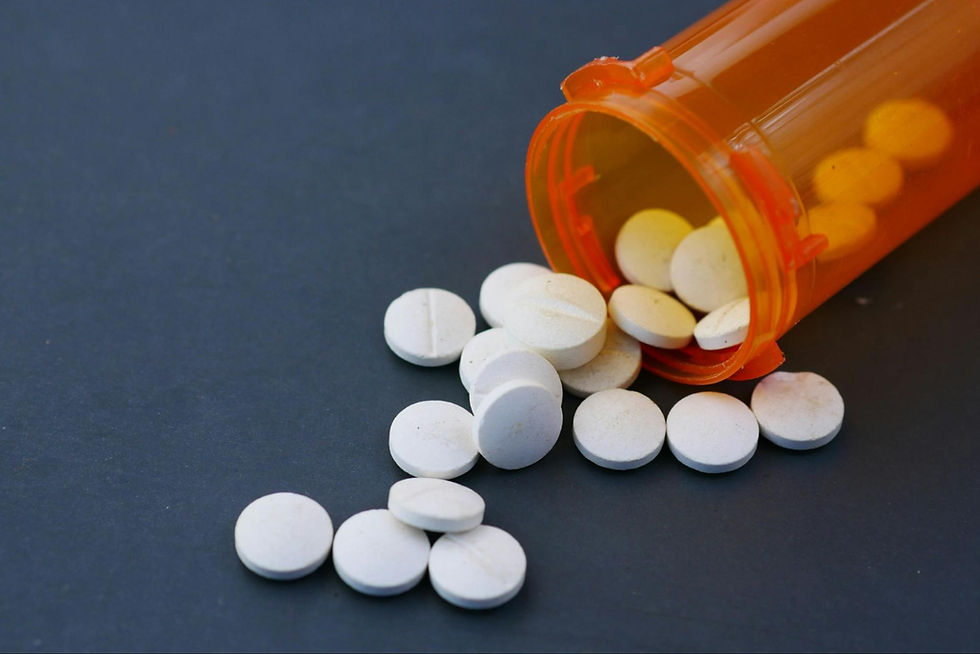
Proper storage and disposal of medicines preserve their effectiveness and ensure patient safety. Medical practices using point of care dispensing or onsite dispensing must follow best practices to maintain drug integrity and comply with safety standards.
Best Practices for Storing Medicine
Store medicines in cool, dry, and dark environments to minimize exposure to heat, humidity, and light, which accelerate degradation. Retain medicines in their original containers with labels intact for identification and dosing information. Avoid storing medicines in bathrooms or near sinks where moisture accumulates. For practices implementing physician dispensing or onsite dispensing, regular inventory checks eliminate expired stock and reduce the risk of administering compromised drugs. Refrigerate medicines only if specified by the manufacturer, and maintain consistent storage temperatures. Secure storage areas prevent unauthorized access and maintain compliance with safety protocols.
How to Safely Dispose of Expired Medicine
Use drug take-back programs, authorized pharmacies, or mail-back envelopes for proper disposal of expired medicines to prevent environmental contamination and misuse. If no program exists, mix medicines with undesirable substances such as dirt or coffee grounds, seal them in a container, and place them in household trash. Flush only drugs listed by the U.S. Food and Drug Administration for disposal via sinks or toilets. Medical practices with onsite dispensing capabilities should establish routine disposal procedures to remove expired stock promptly, enhancing patient safety and regulatory compliance. Detailed guidance on disposal supports comprehensive pharmaceutical solutions for clinics, ensuring safe handling throughout the medication lifecycle.
For more on maintaining medication quality in clinical settings, visit Point of Care Dispensing.

Conclusion
The question does medicine expire has a clear answer: yes, expiration dates matter for both safety and effectiveness. Proper storage, timely replacement, and safe disposal help protect patients and ensure treatment success. Whether at home or in clinical settings with point of care dispensing, respecting expiration dates supports better health outcomes and responsible medication use.
If your clinic needs reliable support with medication dispensing and expiration management, contact A-S Medication Solutions today to learn how we can help safeguard patient care.
Frequently Asked Questions
What does a medicine expiration date mean?
The expiration date indicates the last day the manufacturer guarantees a drug will maintain its full potency, safety, and purity when stored properly.
Are expired medicines always unsafe to use?
Not always, but expired medicines may lose effectiveness or become unsafe due to chemical changes. It's best to avoid using them, especially for critical medications.
How do storage conditions affect medicine expiration?
Proper storage in cool, dry, and dark places helps maintain drug stability. Exposure to heat, humidity, and light can speed up drug degradation.
Do all medicines have the same shelf life?
No, solid forms like tablets usually last longer than liquids or injectables, which tend to degrade faster.
Can expired medicines still work?
Some may retain partial effectiveness after expiration, but relying on expired drugs is risky and not recommended, especially in clinical settings.
Why do manufacturers set conservative expiration dates?
To ensure patient safety and comply with regulations, manufacturers set expiration dates based on rigorous testing and to reduce liability risks.
How should I dispose of expired medicine safely?
Use drug take-back programs whenever possible. If unavailable, mix medicines with undesirable substances before discarding in the trash to prevent misuse.
Why is it important to replace expired critical medications like insulin?
Expired critical drugs may lose potency, risking treatment failure and serious health consequences, so timely replacement is essential.
What role do onsite dispensing programs play in medication safety?
They help maintain access to unexpired, quality medicines, ensuring timely availability and adherence to safety standards in healthcare settings.
What are the best practices for storing medicines at home?
Keep medicines in their original containers, store them in cool, dry, dark places, and regularly check for expiration dates to discard old stock.


Comments